


Table of Contents
- The Surge in Solo Travel
- Technology Enhancing Self-Guided Experiences
- Sustainability and Eco-Conscious Travel
- The Rise of Digital Nomadism
- Immersive and Meaningful Experiences
- Extended Stays and Slow Travel
- The Role of AI in Personalized Travel
- Conclusion
The travel industry is rapidly evolving, and a powerful movement is reshaping what it means to explore the world: self-guided travel. Modern travelers crave flexibility, independence, and authentic experiences, propelling self-guided adventures into the spotlight for 2025. The rise in popularity stretches from urban explorers curating immersive itineraries in world capitals to those seeking quiet moments in off-the-beaten-path destinations. If you want control over your journey, whether on the trail or in the heart of a bustling city, options like this self guided walking tour Washington DC are leading the charge in personalized exploration.
Today’s travelers are harnessing a new era of autonomy. They can navigate hidden gems, tailor stops to their unique interests, and dive deeper into local culture—all without relying on scheduled group tours. This shift is not only empowering but also driving significant changes in how destinations welcome and engage visitors.
The Surge in Solo Travel
Solo travel is not just a passing trend—it’s a seismic shift in how people experience the world. Industry reports indicate that nearly 70% of travelers plan solo trips, with younger generations driving this surge. This uptick highlights the growing demand for trips that offer maximum personal freedom and customized experiences. For many, traveling alone offers not only a sense of adventure but also the chance to discover destinations at their own pace, making every moment count.
Technology Enhancing Self-Guided Experiences
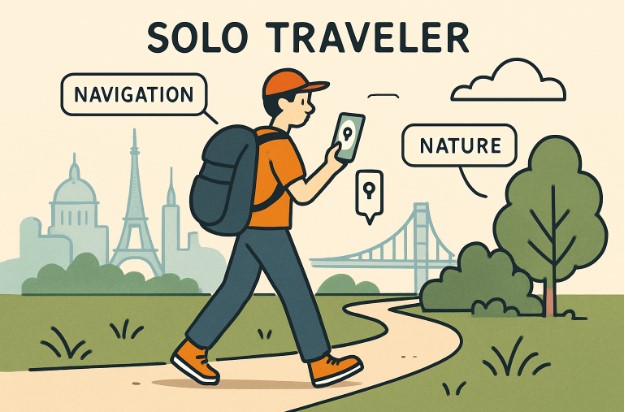
Technology is the backbone of the self-guided travel revolution. Augmented reality (AR) apps are transforming smartphones into tour guides, delivering historical context and hidden stories at the tap of a screen. Travelers are also increasingly turning to navigation platforms, translation tools, and AI-powered guides to personalize experiences on demand. In fact, a recent survey revealed that over 90% of travelers are open to using AR to enhance their adventures, highlighting the appeal of tech-forward, self-directed exploration.
Sustainability and Eco-Conscious Travel
Modern exploration comes with a conscience. Travelers are more eco-aware than ever before, with sustainability becoming a core consideration in travel planning. Researchers indicate that 91% of travelers value ethical travel choices and are willing to support eco-friendly accommodations and activities, even if it means incurring a higher cost. This trend is prompting tourism providers to adopt greener practices, thereby reducing the ecological footprint of travel and influencing everything from transportation to local eating habits.
The Rise of Digital Nomadism
Remote work and travel are converging like never before, ushering in an era of digital nomadism. Nations welcoming long-term visitors with flexible visa programs are seeing an influx of professionals blending business with adventure. These travelers thrive on self-guided experiences that allow for cultural immersion between virtual meetings. Destinations catering to digital nomads are investing in infrastructure, such as coworking spaces, high-speed internet, and networking events, signaling a lasting shift in the way people combine work and travel.
Immersive and Meaningful Experiences
Self-guided travel is about depth, not just distance. There is a rising appetite for immersive activities—think cooking with locals, participating in traditional ceremonies, or joining in hands-on craft workshops. These experiences foster genuine cultural connections and personal growth. By designing their own itineraries, travelers can go beyond the typical tourist circuit and invest in activities that resonate with their interests and values, creating travel memories that last far beyond the trip itself.
Extended Stays and Slow Travel
The “slow travel” trend is encouraging more travelers to trade whirlwind tours for extended stays. Spending more time in fewer places enables a deeper understanding of local communities, customs, and landscapes. Recent studies highlight that vacationers are adding days to their trips to facilitate immersive, low-impact travel. This method not only reduces stress and travel fatigue but also benefits local economies by spreading tourism spending over longer periods.
The Role of AI in Personalized Travel
Artificial intelligence is poised to play a pivotal role in shaping the future of travel. From itinerary optimization to instant translation and tailored recommendations, AI platforms are streamlining every stage of the journey. These tools are especially impactful for self-guided travelers, enabling hyper-personalized trip planning based on real-time data, preferences, and even sustainable travel choices. AI is fostering a new level of travel confidence and convenience, lowering barriers to independent exploration.
Conclusion
Self-guided travel is no longer a niche; it’s the new standard for an empowered, individualized, and responsible approach to seeing the world. Enhanced by technology, prioritizing sustainability, and guided by a more mindful ethos, today’s adventurers are crafting journeys on their own terms. As these trends continue to evolve, travelers can expect a wealth of opportunities to shape their own stories—one step and one destination at a time.