

Key Takeaways:
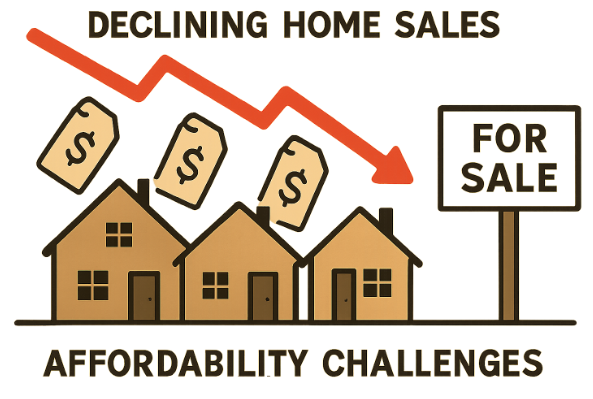
- U.S. home sales in 2026 reached their lowest level since 1995, amid persistent affordability challenges.
- Gen Z is increasingly entering the housing market, often with creative purchasing strategies.
- Millennials are delaying homeownership, with the average first-time buyer age rising to 40.
- Real estate investors are acquiring a growing share of homes, impacting traditional buyers.
- Smart home technology and sustainable building practices are influencing buyer preferences.
The U.S. housing market in 2026 has entered uncharted territory. Home sales have hit their lowest level since the mid-1990s, driven by high mortgage rates, escalating home prices, and a limited housing inventory. For buyers and sellers in markets like real estate Lake Forest CA, navigating these changing dynamics requires insight and adaptability. Affordability remains at the forefront of the conversation, as both first-time and repeat buyers grapple with a fast-changing landscape shaped by economic, demographic, and technological forces.
Market activity is showing signs of transformation as younger generations reshape buying behaviors, investors capitalize on unique market opportunities, and developers turn to creative strategies to expand housing inventory. As the market continues to evolve, understanding the factors shaping housing trends in 2026 is critical for informed decisions and long-term success.
This year’s unprecedented challenges are also prompting buyers to seek out areas with better affordability, stronger job prospects, and climate resilience. Meanwhile, sellers are reconsidering their approaches, investing in home upgrades and sustainable features to make their properties stand out. Whether you’re looking to buy, sell, or invest, staying informed has never been more essential.
Decline in Home Sales Amid Affordability Challenges
Home sales across the nation fell to a near 30-year low in 2026. The persistence of elevated mortgage rates hovering around 7% and a national median sale price at an all-time high of $407,500 has priced out a significant swath of prospective homebuyers. Inventory availability, though slightly improved, remains well below historical norms, resulting in ongoing upward price pressure. These challenges are particularly acute for first-time buyers, who now account for just 24% of annual sales, down from a historical average of 40%.
As a result, many Americans are forced to either delay homeownership or search for creative alternatives. Rapid real estate price appreciation since the pandemic, compounded by the surge in borrowing costs, has made affordability the defining issue of the 2026 housing landscape. In many metro areas, local wages have failed to keep pace with the surge in home prices, fueling pessimism among younger would-be homeowners.
Gen Z’s Entry into the Housing Market
In a market dominated by affordability challenges, Gen Z buyers are making noticeable inroads. The percentage of home purchase mortgage applications submitted by Gen Z rose to 13% in 2026, up from 10% the previous year. This generation is finding innovative ways to gain a footing in the market, frequently relying on family assistance, joining forces with friends for co-ownership, or exploring more budget-friendly markets outside major coastal cities. As they progress through their twenties, Gen Z is expected to become a significant driver of housing demand.
Millennials Delaying Homeownership
The average age for first-time homebuyers has surged to 40, the highest on record. Millennials, burdened by student debt, high living costs, and economic uncertainty, are increasingly delaying home purchases. Between July 2024 and June 2025, first-timers accounted for just 21% of all homebuyers, the lowest since 1981. Even as home prices in many markets have stabilized and mortgage rates have edged down from 8% to just above 6%, many millennials are opting for upscale rental options, such as luxury apartment communities and build-to-rent neighborhoods, over traditional homeownership. Furthermore, several financial experts argue that investing in alternative assets may yield greater returns than owning a home amid current market complexities.
Investors Increasingly Dominating the Market
Real estate investors are playing an expanding role in the housing market, accounting for nearly 27% of all home purchases in the first quarter of 2025, up from an average of 18.5% over the previous three years. The rise in investor share is largely due to subdued demand from traditional homebuyers, as many are priced out. Investors are taking advantage of market conditions, often buying with cash or leveraging existing equity to secure deals, while regular buyers struggle with financing hurdles. This influx is contributing to increased competition and, in some cases, making affordable starter homes even more difficult for families to secure.
Technological and Sustainable Trends Shaping Buyer Preferences
The integration of smart home technology topped buyer wish lists in 2026. Prospective homeowners are on the lookout for properties equipped with advanced automation features from major tech firms, prioritizing security, efficiency, and convenience. Energy-efficient appliances, solar-ready roofs, and eco-friendly materials are becoming standard, reflecting a societal shift toward sustainability. Eco-conscious buyers seek homes that not only reduce utility bills but also limit their environmental footprint. Sustainable developments are now the norm rather than the exception.
Adaptive Reuse Boosting Housing Inventory
One innovative response to the ongoing housing shortage is adaptive reuse, the conversion of obsolete commercial buildings into residential units. This trend is most visible in cities like Detroit and Pittsburgh, where developers are breathing new life into abandoned offices and factories by creating high-demand lofts and condos. Beyond simply boosting housing stock, adaptive reuse stimulates urban revitalization and preserves historic architectural character, catering to buyers who value unique, amenity-rich living spaces.
Regional Variations in Home Prices
National statistics reveal dramatic regional disparities in home price growth. The Southern U.S. continued to record the highest volume of single-family transactions, while price increases remained modest at 2.1%. By contrast, the Northeast saw a 10.6% jump, the Midwest followed closely with 8.0%, and the West posted a 4.0% rise. Notably, six of the top 10 metro areas with the largest median price gains were in the Midwest, with Jackson, MS, recording a remarkable 28.7% increase. Such divergent conditions highlight the importance of local economic factors, migration trends, and regional resilience in shaping home values.
Looking Ahead: 2026 Housing Market Projections
Analysts expect 2026 to be a year of gradual improvement in affordability, even as elevated mortgage rates and high prices persist. The median household income required to afford a typical U.S. home now stands at $110,100, almost double the 2020 figure. With only 38% of households able to qualify for a median-priced home, affordability pressures remain intense. However, experts predict that growth in household incomes will begin to outpace home price appreciation, with national home values forecast to rise just 1% and refinancing activity projected to climb 30%. As demographic-driven selling gains pace, home sales are projected to increase by 3%, with climate-resilient, affordable cities in the Midwest and Northeast becoming more sought after. Homeowners preparing for future listings are increasingly investing in energy-saving renovations and functional upgrades, such as in-law suites, to maximize their resale prospects while leveraging home equity and favorable refinancing rates.